Poor mental health is the main reason for young lawyers leaving the profession in droves, a new survey has found
SCMP, Jean Lau, 23 Jun 2026
The breaking point for former Singaporean lawyer Dominic Low was when he had just got home past midnight and his boss asked him to respond to an international client. This meant he had to return to the office and work till 2am.
He was into his second year of a corporate law career and decided that very night that the job was not for him.
“Everyone was under so much pressure and just expected to deliver at the cost of their personal life and mental health,” Low, 35, said.
Despite leaving the legal profession in 2019, Low’s experience was echoed by others in a four-year study on lawyer attrition released on Tuesday by the Law Society of Singapore and Anthro Insights.
The study conducted 31 in-depth interviews with former judges, legal academics and lawyers from diverse types of firms, and surveyed 855 practising and former lawyers to look into the decades-old problem of attrition in Singapore’s legal sector.
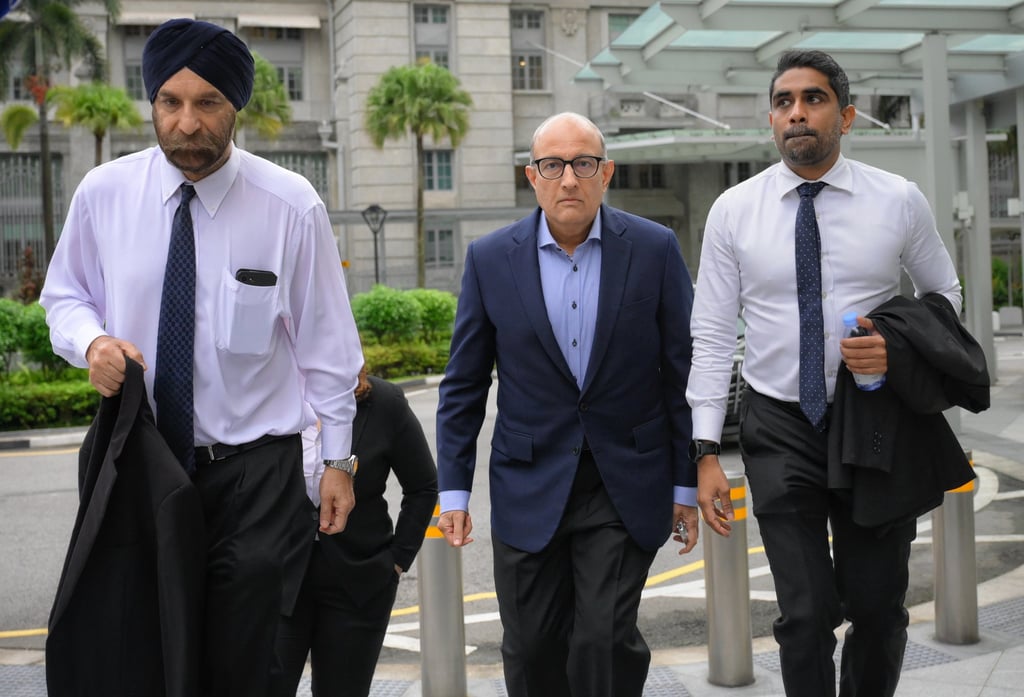
Low recalled being yelled at by his boss for errors despite being junior and regularly overhearing others being reprimanded, which often made for a tense office atmosphere. “There was a lot of expectation to perform, and there was very little margin for error. You also want to prove yourself because you want to be seen as being deserving of your place.”
Tuesday’s study was prompted by then Law Society president, the late Adrian Tan, after 538 lawyers did not renew their practising certificates in 2021 – a 30 per cent rise from the previous year. Tan warned in 2022 of a “perfect storm” facing young lawyers as record numbers left while fewer entered the profession.
“The pressures cascade: court timelines set deadlines, client expectations set intensity, billing models shape boundaries, senior practitioners set norms and law schools shape what new lawyers expect,” Anthro said in a statement on Tuesday.
Poor mental health was the main reason for leaving the profession, the study found. Nearly 36 per cent of respondents experienced anxiety at moderate or severe levels, and almost 19 per cent reported symptoms consistent with moderately severe and severe depression.
Another lawyer who moved in-house and no longer holds a practice certificate said he decided to leave in 2024 because an offer came in with better pay and hours.
Joshua Chiam, 31, does not plan to return to private practice. “It’s not as if they pay you so astronomically well that you are chained by golden handcuffs. And if what you’re looking for is not just salary but actual work-life balance, then those apparent golden handcuffs don’t mean as much,” he said.
According to Randstad Singapore’s 2025 market outlook, the average amount a lawyer starting out in a local firm would make a month is S$6,500 (US$5,000). This is higher than the median gross monthly salary of S$4,500 for graduates in Singapore last year.
Order in court
The study found that factors also existed in the courtrooms with lawyers citing court deadlines and interactions with judges as significant sources of stress. Timelines were influenced by disposition-rate targets or time-bound goals rather than the circumstances of each individual case, some respondents said.
In response to the study, a Singapore Courts spokesman said the Judiciary and Law Society would set up a joint working committee to analyse the feedback on court-imposed pressures and courtroom conduct and use the findings to develop initiatives supporting practitioner well-being while maintaining effective administration.
The committee will also study if the current case management practices and timeline expectations remain calibrated to practice today, including the complexity of matters and resource constraints that practitioners face.
“We have always recognised that timely justice is not a bureaucratic target – it is a fundamental issue of access to justice that benefits parties to any proceeding before the courts,” the spokesman said. However, this timeliness should not come at an unreasonable cost to the practitioners, who were “essential partners in the delivery of justice”.
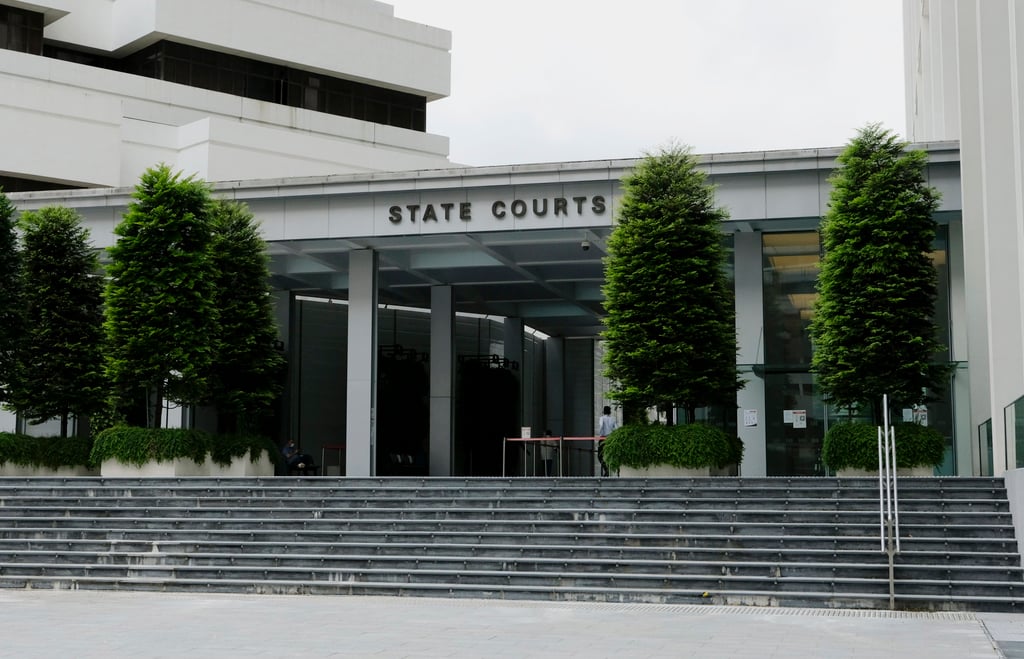
Another aspect to be looked into will be whether dialogue mechanisms and feedback channels are working and if there is enough awareness of them. There were two formal judicial complaints in the last three years, which the spokesman said were investigated thoroughly.
Chief Justice Sundaresh Menon stressed that Singapore courtrooms must remain places of dignity, professionalism and mutual respect and all judges and judicial officers were held to these strict tenets of conduct.
“We look forward to working closely with the Law Society to address these findings and to ensure a supportive and sustainable environment for all practitioners – particularly those at the start of their careers, for whom the culture of our courts will shape whether they see litigation as a calling worth pursuing,” Menon said.
Singapore’s Ministry of Law said in a statement that that it was important to have open and honest conversations about balancing industry and individual professional growth with the well-being and long-term sustainability of working in legal practice.
The problem of lawyers quitting is not unique to Singapore; across the region there have been reports of anxiety and stress leading to walkouts.
In 2023, India’s then chief justice Dhananjaya Yashwant Chandrachud equated junior lawyers to slave workers, saying they were overworked and underpaid. He urged senior members of the bar to pay them decent salaries.
Law Society Journal in 2024 reported that in Hong Kong, almost half of those in the profession reported suffering from burnout. In 2022, 65 per cent of lawyers were feeling anxious or on edge and 43 per cent said they had experienced mental health problems in the past year.